The Calming Effect of Water on a Restless Soul
Is there anything quite as soothing as the gentle lapping of water against the hull of a boat or the rustle of reeds in the breeze? For centuries, people have turned to bodies of water for solace and serenity. Perhaps it’s the rhythmic motion of the water, akin to a lullaby designed by nature, that lulls the mind into a state of ease and reduces stress. The simple act of being near, in, or on water, has been shown to significantly decrease levels of cortisol, a hormone associated with stress.
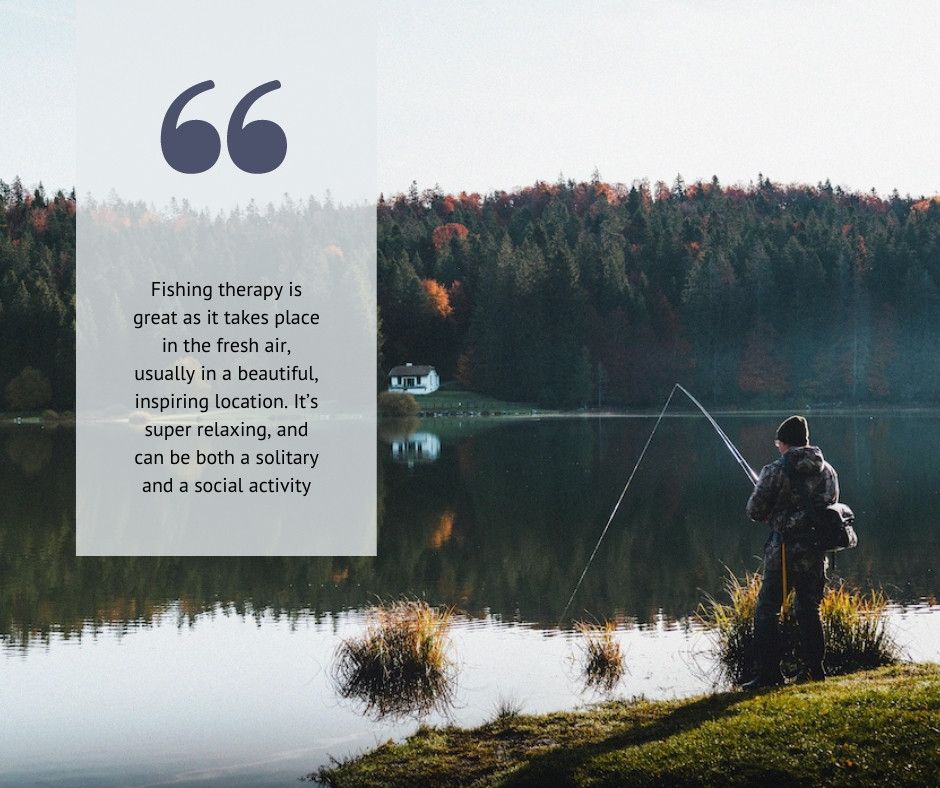
Fishing positions one directly in this tranquil environment, whether standing knee-deep in a murmuring stream or floating on an expansive blue lake. The water acts as a natural balm, quieting internal storms and providing the perfect setting for inner reflection. It creates a space where one can breathe deeply and let go of the tensions accrued from daily life, reaffirming the healing bond human beings have with the natural world.
Fishing as a Mindful Break from Everyday Distractions
In an age where notifications constantly ping for our attention and screens encroach upon every quiet moment, fishing offers a valuable chance to disconnect from the digital world. Out on a quiet stretch of water, the concerns of deadlines, social media, and digital noise seem to evaporate, replaced by the gentle demands of nature.
The mindful aspect of fishing comes from focusing entirely on the present — the feel of the fishing line as it dances in the water, the anticipation of a fish biting, and the satisfaction of a well-cast line. These moments encourage anglers to engage fully with their surroundings, fostering mindfulness that is increasingly advocated by mental health professionals for reducing anxiety and stress. In these uninterrupted pockets of presence, one finds a peace that is rare in today’s fast-paced society — making fishing more of a meditation than a mere pastime.
Insights and Realizations Come with Quiet Reflection
Fishing naturally encourages a reflective state of mind. Away from the distractions of daily life, there’s a chance to think deeply, to mull over life’s challenges, and perhaps come at them from a new angle. It’s during these quiet times, enveloped by the sounds of nature and the calmness of the water, that many people find clarity.
This clarity is not just about tackling life’s hurdles; it’s also about understanding oneself better. The repetitive nature of casting and reeling can lead to a state similar to that achieved through practices like meditation and yoga. It prompts introspection and can result in significant personal insights. Many anglers report that their time spent fishing has not only provided them with practical solutions to life’s problems but also enlightened them with a deeper understanding of their experiences and emotions.
The Joy of Engaging in a Simple, Fulfilling Activity
Amid the inherent complexities of modern life, there is profound joy in engaging in a simple, tangible activity like fishing. It’s a blend of skill and luck, requiring patience and offering rewards, not unlike life itself. The act of fishing — selecting the right lure, casting the line, watching the water — is absorbing without being overwhelming. It requires attention but not anxiety.
This simplicity is its strength; it’s a direct antidote to the complexity and interconnected stimuli that frequently overwhelm us. Each moment spent fishing becomes rewarding, not solely when a fish is caught, but simply through the act itself. This engagement provides satisfaction that resonates at a fundamental human level, far removed from material or achievement-based measures of success.
Fishing Tales of Triumph Over Mental Turbulence
Many testimonials from avid anglers echo a similar sentiment: fishing is an essential component of their mental health regimen. People from all walks of life have found solace and salvation through the simple act of fishing. These stories often include battling with anxiety, depression, or other mental health challenges, with fishing acting not as a cure but a companion in the fight.
The narratives shared by those who credit fishing with helping them overcome personal adversities are plentiful and poignant. They speak to fishing as a form of therapy, a structured space where the rhythm of casting lines and waiting patiently provides a framework within which healing can occur. For many, casting off into nature is more than enjoyment — it’s an act of hope and resilience.
In conclusion, fishing is much more than just a hobby. It’s a journey into tranquility, a personal retreat from life’s relentless pressures, and a channel for mindfulness and reflection. This practice has shown itself to be immensely beneficial to mental health, offering tranquility in an increasingly turbulent world. For countless individuals, fishing has indeed become therapy for the soul.
Leave a Reply